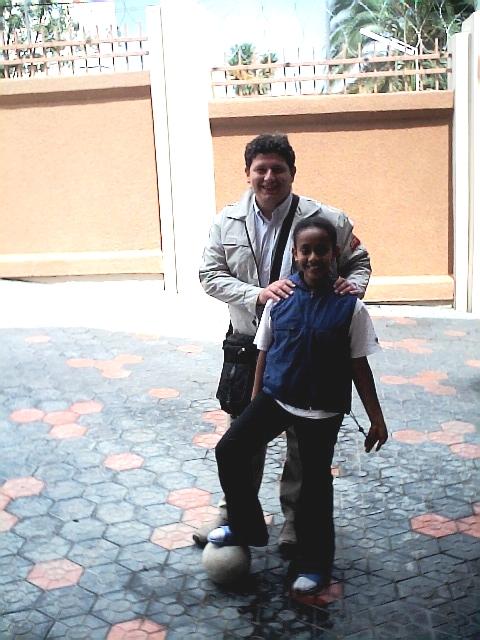
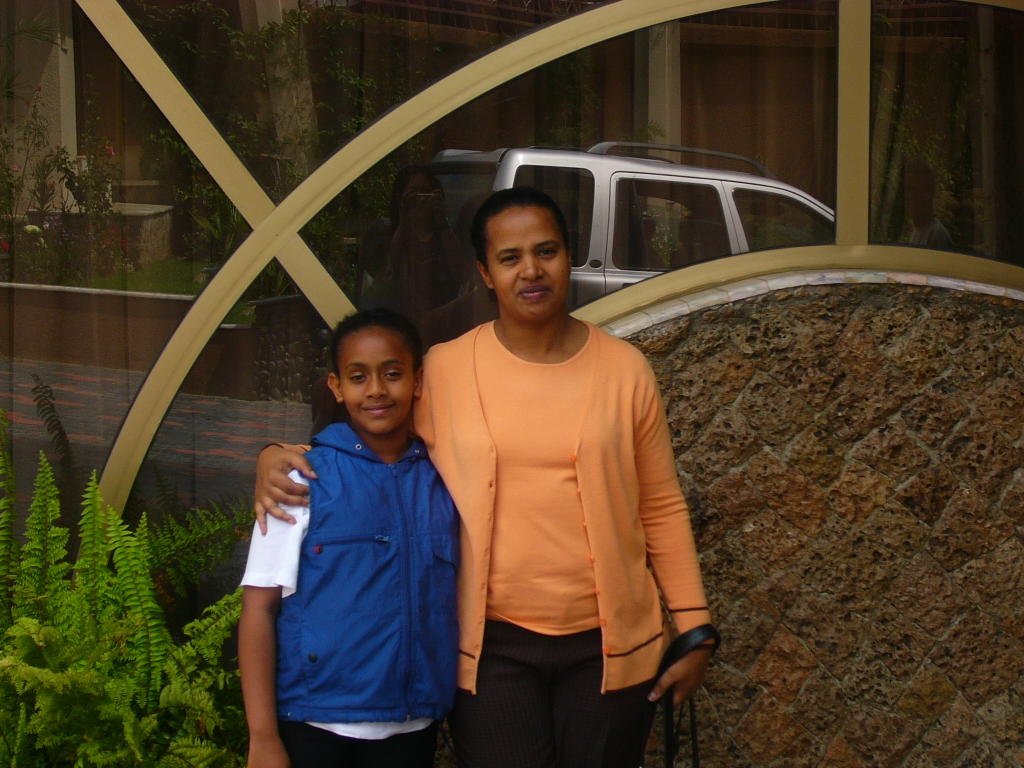
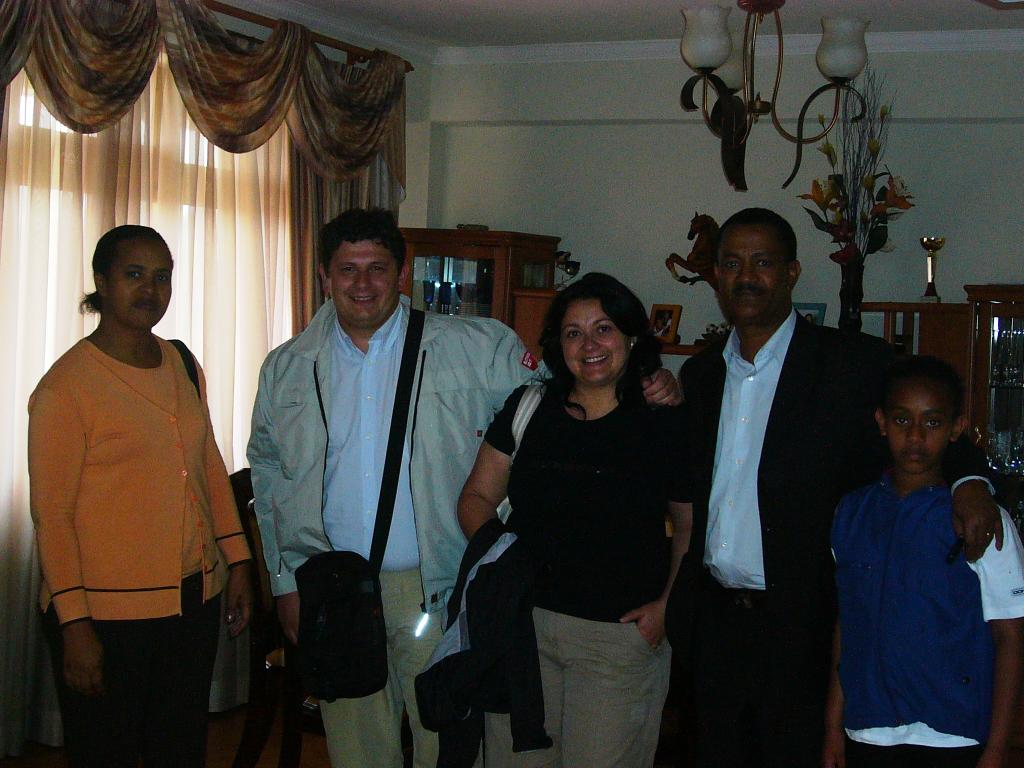
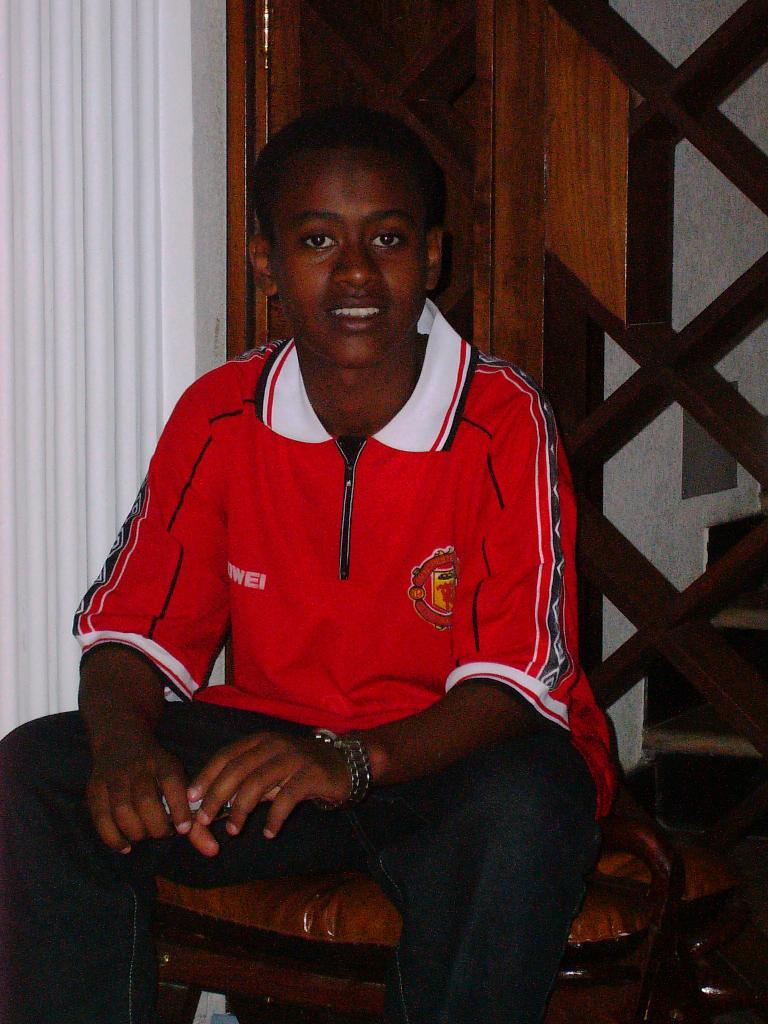
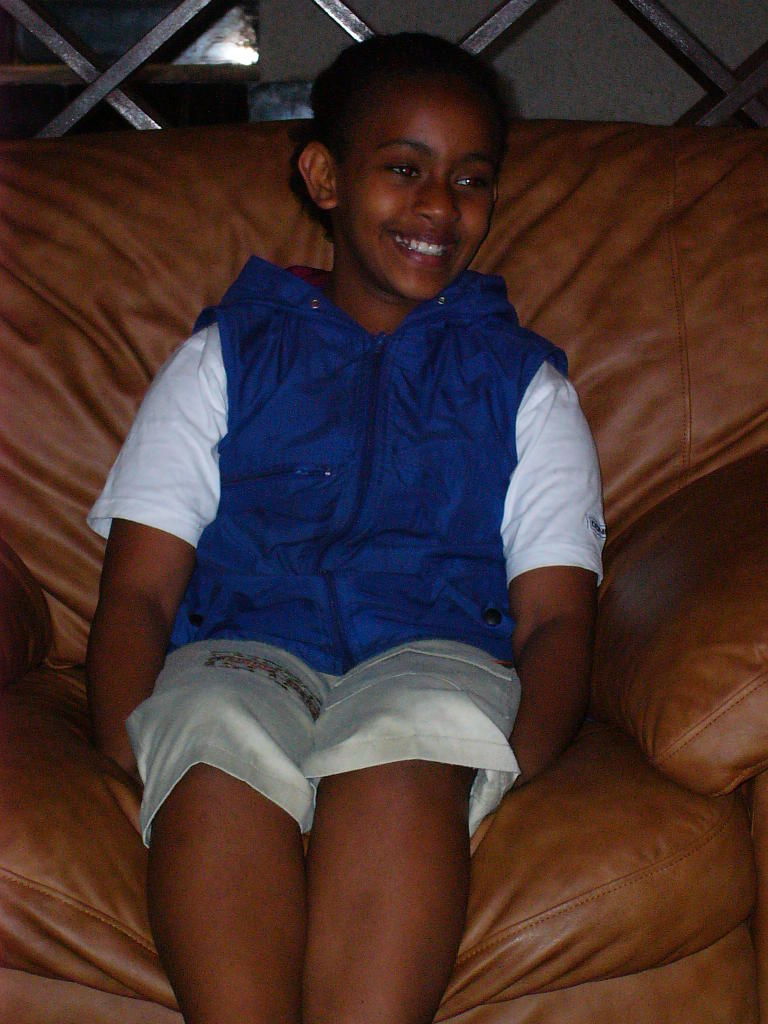
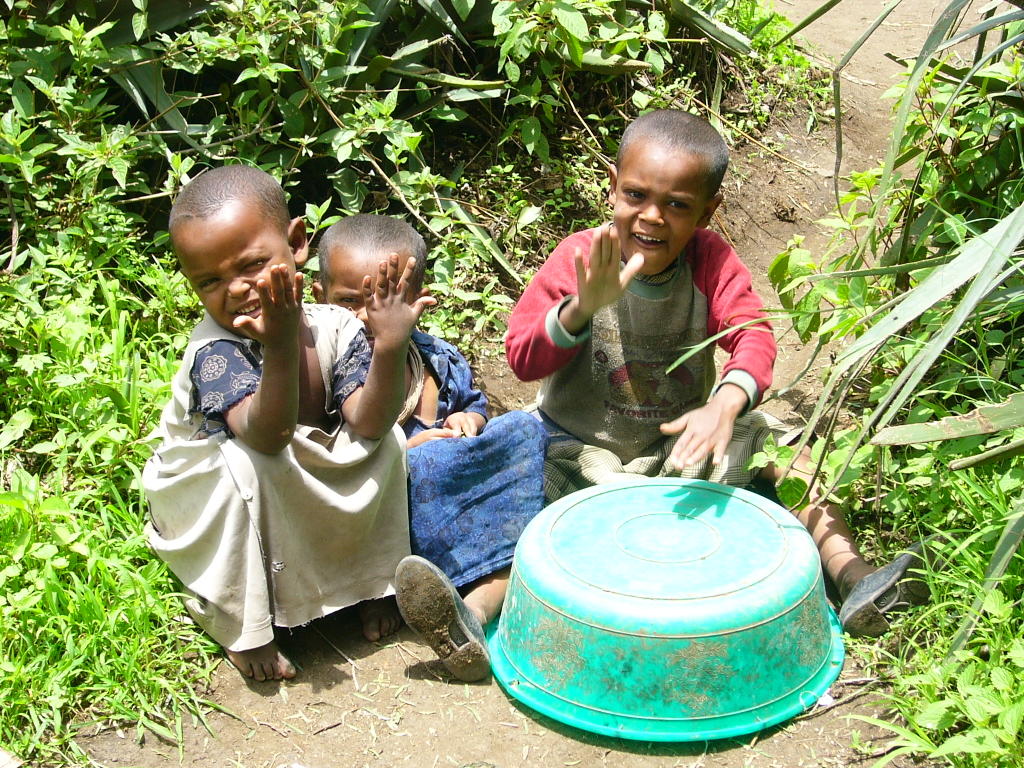
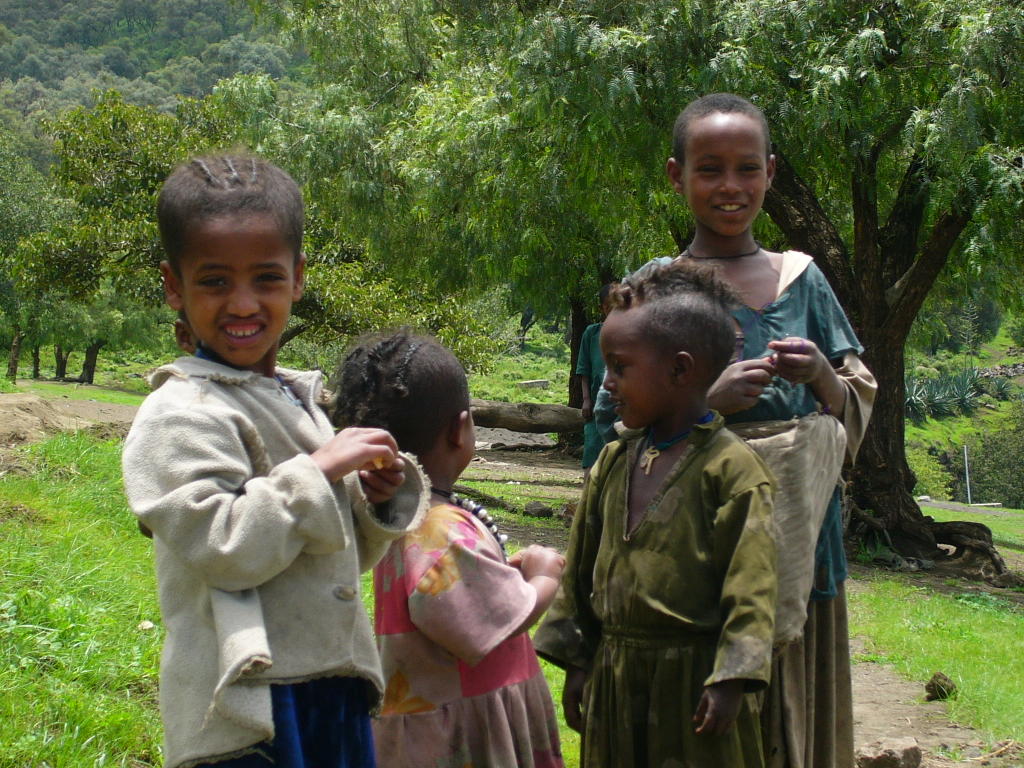
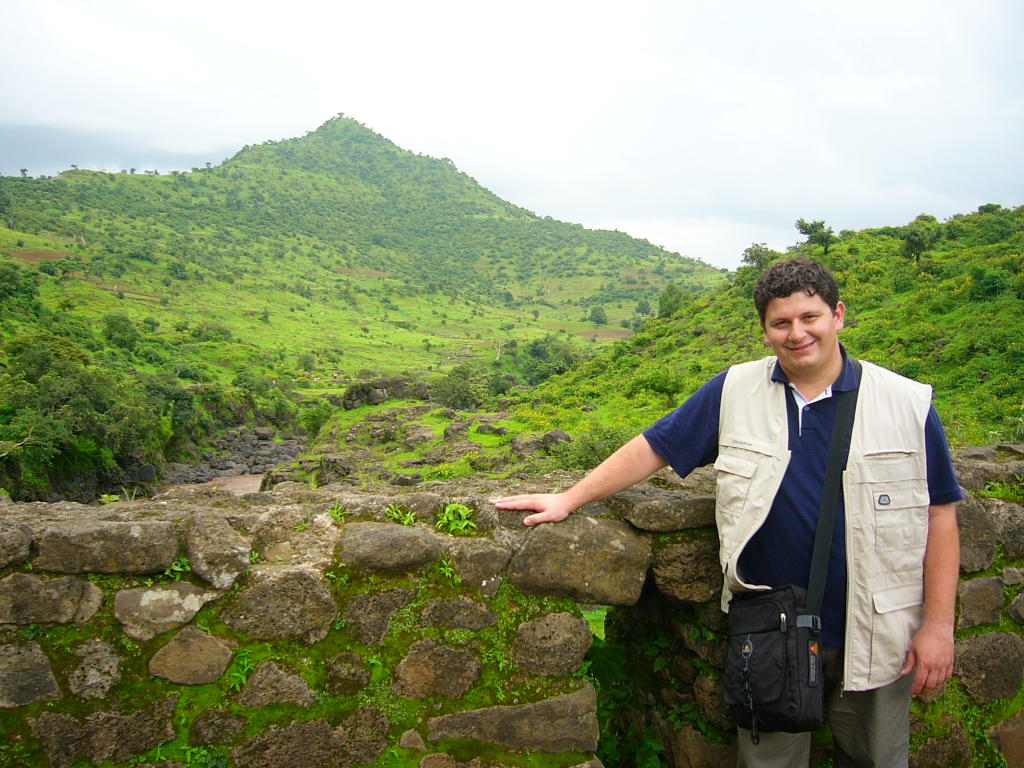
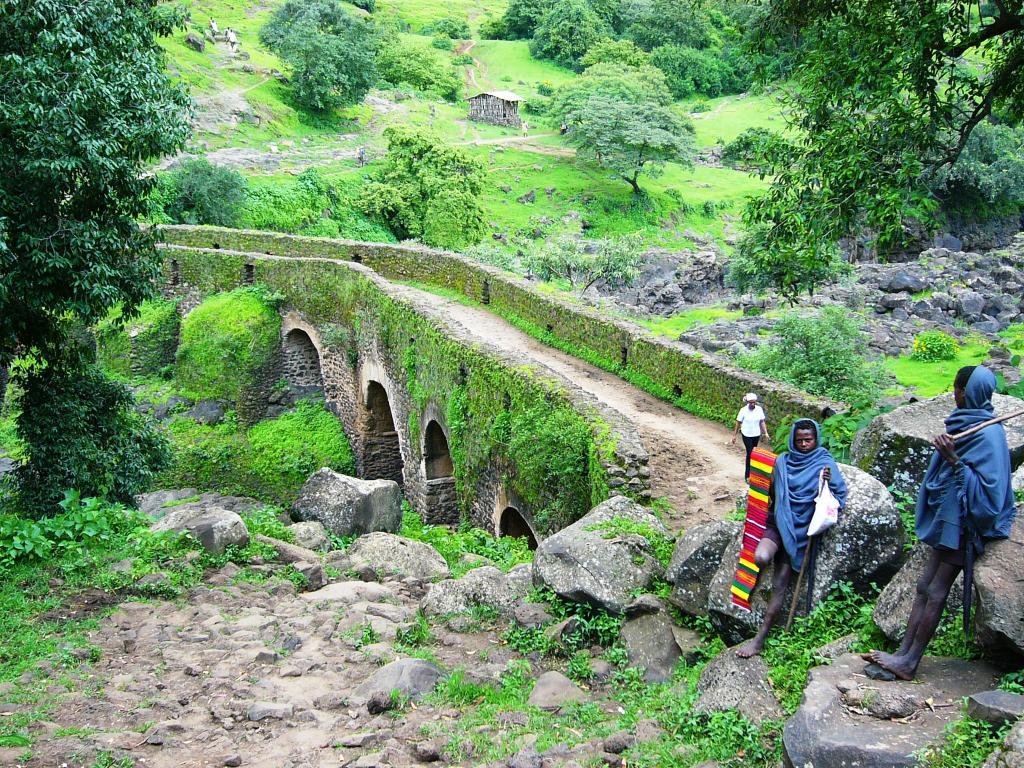
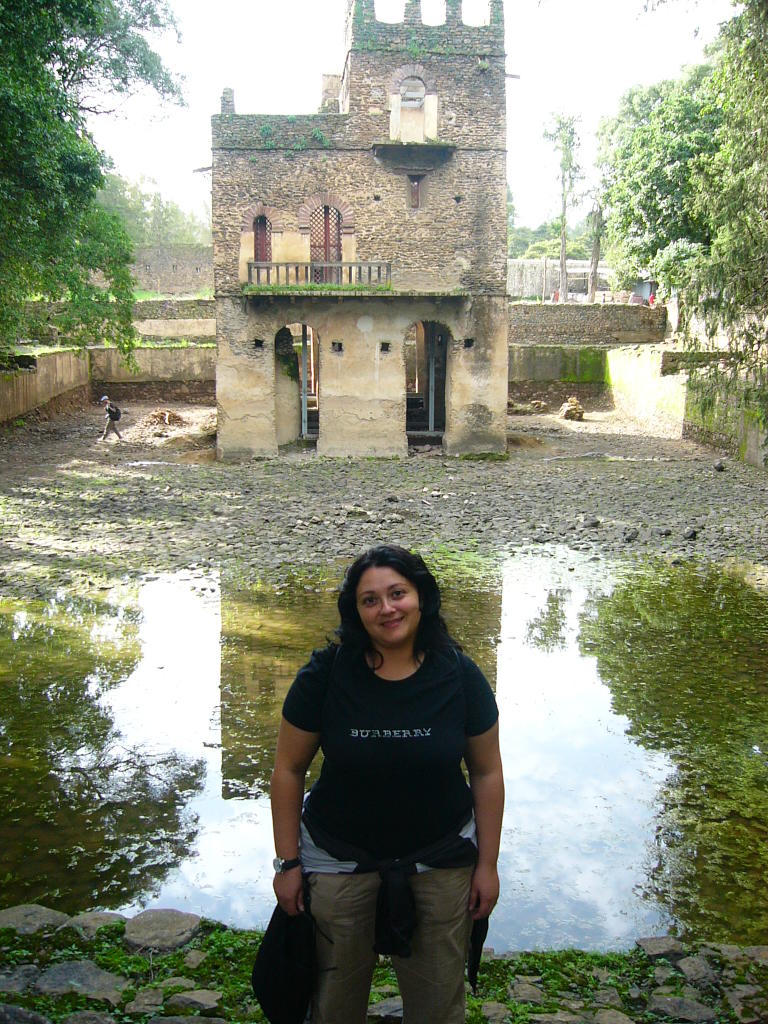
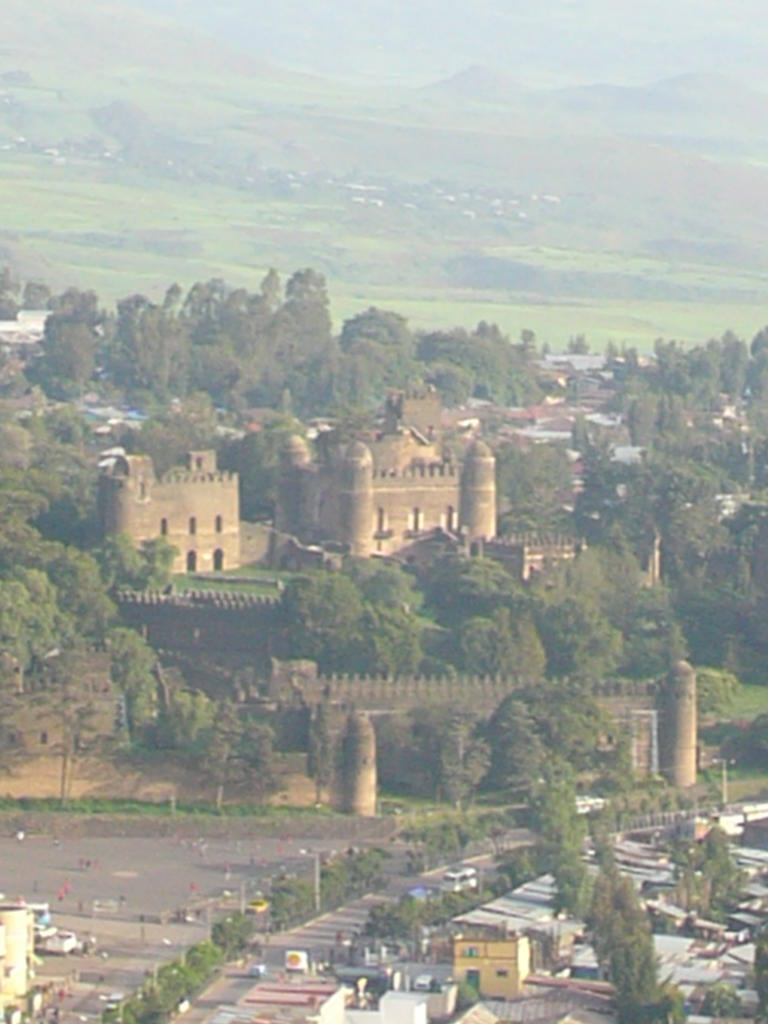
From 6th. to 21st. August 2005 my wife Mayte and myself have travelled around ETHIOPIA for the first time. The purpose of this BLOG site is to share our impressions about this trip with our friends. YOU CAN ADD YOUR COMMENTS TO EVERY ARTICLE.Ver esta pagina en Español SEE ALL PREVIOUS POST

20.9.05

MYSTERY OF THE (Blue) NILE


IMAX is a special type of cinema/theater where they play large screen movies or 3D movies, specially designed for this type of theaters.

There is an amazing documentary film directed by a Spanish filmaker, Jordi Llompart, called "Mystery of the Nyle". It is about an boat expedition along all Nyle river, from the birth of Blue Nile in Ethiopia to Alexandria, where water is poured into Mediterranean Sea, after crossing Ethiopia, Sudan and Egypt.

Despite sometimes it may look a little bit exaggerated the photography is breath-taking, and the adventure is worth seeing.

The boat-trippers start their tour in Lalibela (around Easter time), move then to Bahir Dar to enter the river through Tana lake. You can see how they descend Tis Isat (blue nile falls) and how they do Rafting through the wildest parts of the river, encountering Rinos and Crocodriles on their way.

More about the movie.
"Playing now in a theater near you"


Lalibela or The Dream of the "Bee King"


The main Spanish Newspaper, EL PAIS published last September 10th a short article about LALIBELA.
The journalist was lucky to be there in May, during the Fasika or Orthodox Easter, being "one of the only 20 westerns who were lucky to be there at that time"

This is the type of feeling every visitor will enjoy when visiting the country. The tourism is so undeveloped that you experience a unique sensation. Visit the country before it is too late!

Spanish full article here
English translation here


16.9.05

... or not improving: Lessons from KOREM

Yesterday we saw a BBC video dated 1984 about the famine and hunger in Ethiopia that time. The tape was recorded in Korem, a town north of Addis.

The video is available to download using emule. You can search ETHIOPIA and BBC (If you want full details email me).

It was devastating to us, but still we recommend you to have a look on it. You can't close your eyes to that kind of things. We can't close our eyes to what's happening today in Darfur-Sudan or Niger.

Now 20 years later the same reporter Michael Buerk is back to the same place. This report is a touching story of "now and then".
BBC News story: Ethiopia more aid, more hunger still Also available to download from emule.

The main story is that of Birhan Woldu, the girl that was given as dead in the 1984 famine, but that today is alive and healthy. She was in the "Live 8" concert together with Madonna.

But maybe you want to read the other part of the story. Jennie Bristow is a journalist who claims that these concerts do not make a difference, and their only intention is to make us feel better...
What is your opinion? Feel free to comment.
...

If only we could make a difference.


ETHIOPIA Improving against poverty...

Comparison between Ethiopia and a western country, like Spain, is very unfair:
  • Life expectancy at birth: Ethiopia 45 years - Spain 79 years
  • Human Development Index: Ethiopia is number 170 of 177 - Spain is number 21 of 177
  • GDP per Capita: Ethiopia 780 $ /year- Spain 22391 $/year
  • Adult Literacy: Ethiopia 41% - Spain 98%
But Ethiopia seems to be improving. The following chart shows the progress that have been made during the last 10 years in Ethiopia, according to UN:
  • Baby mortality rate is only reduced in only 4%. In 1990 19% of children died before 5 years. Today still 17% of them die before that age.
  • National poverty has been reduced in only 4 points from 44 to 48%
  • Education is improving and today 52% of girls have access to school, while only 29% in 1990
  • Maternal mortality rate is reduced to one third
So it looks like Ethiopia is improving very slowly... But is it really improving? See my next post.

Click on chart to see compared figures for Ethiopia in 1990 and 2000.
Full report here


15.9.05

About adoptions in Ethiopia

This news is slightly old, from January this year, but it is full of interesting information for those in process of adoption
Original Source

ETHIOPIA: Coping with increasing orphan numbers through adoption

ADDIS ABABA, 10 Jan 2005 (IRIN) - Wrapped in a bundle of warm blankets and lucky to be alive, four-month-old Thomas Bekele still faces a precarious future.Orphaned three weeks ago when his mother died from tuberculosis, he is one of the almost five million orphans in Ethiopia - a mushrooming crisis that the government warned was "tearing apart the social fabric" of the country.

The rising number of orphans has, however, raised the demand for adoptions to a record high. Some 1,400 children made new homes abroad last year, more than double from the previous year. Adoption agencies also doubled to 30 in the capital Addis Ababa in the last year, a highly lucrative market with some agencies charging parents fees of up to US $20,000 per child.
Bulti Gutema, who heads the country's adoption authority, says adoption of orphans poses many moral quandaries to his government. He blames the growing number of orphans and the increasing numbers of adoptions on poverty."We would prefer these children to remain in Ethiopia because it is their country," he says. "Adoption is the last resort because it doesn't help alleviate poverty in Ethiopia."
Bulti, however, admits that the $115 million a month needed to care for orphans in Ethiopia is simply out of the question, when compared to the country's annual health budget of $140 million. It means, for some children, overseas adoption is the only option, he says.

In a move to help stem the growing orphan crisis in Ethiopia, the US government announced a $20 million project in December to help the 530,000 HIV/AIDS orphans."We can't afford to look after every orphan," Bulti adds. "That is why adoption is one of our existing alternative child-care programmes, although it really solves the problems of just a few children.

"Ethiopia has strict adoption laws, but the process can be pushed through in 10-15 days if the paperwork is in order, according to Balti.
An international convention, established in 1993, exists to protect children who are adopted overseas. It has been approved by 66 nations, although the Ethiopian government has not signed it yet.

Most orphaned children from Ethiopia go to France, Australia, the US and Ireland. Couples are turning abroad because of the huge delays - four or five years sometimes - to adopt within their own country.

"Parents adopt from Ethiopia because of the poverty and the children are beautiful and attractive," said Tsegaye Berhe of Horizon Homes, a halfway house where children from orphanages wait until they are selected by parents from the US.
"It is not difficult to adopt here, the Ethiopian government has few restrictions for adoptive parents. Organisations like his will pay orphanages a small amount for upkeep of a child. "This should not be seen as though we are purchasing a child," says Tsegaye. "We are just refunding the costs incurred by the orphanages."Most adoption agencies are non-profit. His organisation, which opened last year, received around $6,000 a month to cover the expense of looking after the 32 children it sent to America. Next year, they hope to send more than 50 children.
For accountant Russell Giles, 33, and his wife Vivian, 30, who have four of their own children, they expect to be in Ethiopia for three weeks while they adopt brother and sister Philimon, 5, and Bersable, 6. "The government here has been very open and willing," said the couple from Salt Lake City, Utah, who are adopting privately from an orphanage, rather than through an agency. "Other countries appear very open, but clamp up once the process has started.
"While they meet Philimon and Bersable for the first time in a nervous encounter, just a few metres away, 15-year-old Genet Girma was trying to give her two children up. "I have nothing to give them," she said of the two tiny eight-week old twins strapped to her front and back. "I am too poor."

Most mothers will simply abandon their children near a police station or church rather than turn up at orphanages, where by law, they must be turned away. Any children that turn out to be HIV-positive cannot be put up for adoption.
Daniel, a three-year-old, bright-eyed boy who is HIV-positive, sits and stares each day as new prospective parents walks around the orphanage, often crying when they leave. "It is very hard for him to see children leave with new moms and dads because he never leaves and he doesn't understand why," says Sister Camilla, who has worked in the country for more than 30 years.


11.9.05

11 Sept: A link between Ethiopia and Catalonia


As you know Mayte and me are based in Barcelona, Catalonia, a region/state in Spain.
There are some traditions that link Catalonia and Ethiopia.

The 11th. of September is the National Day of Catalonia, and it is also a remarkable day in Ethiopia.

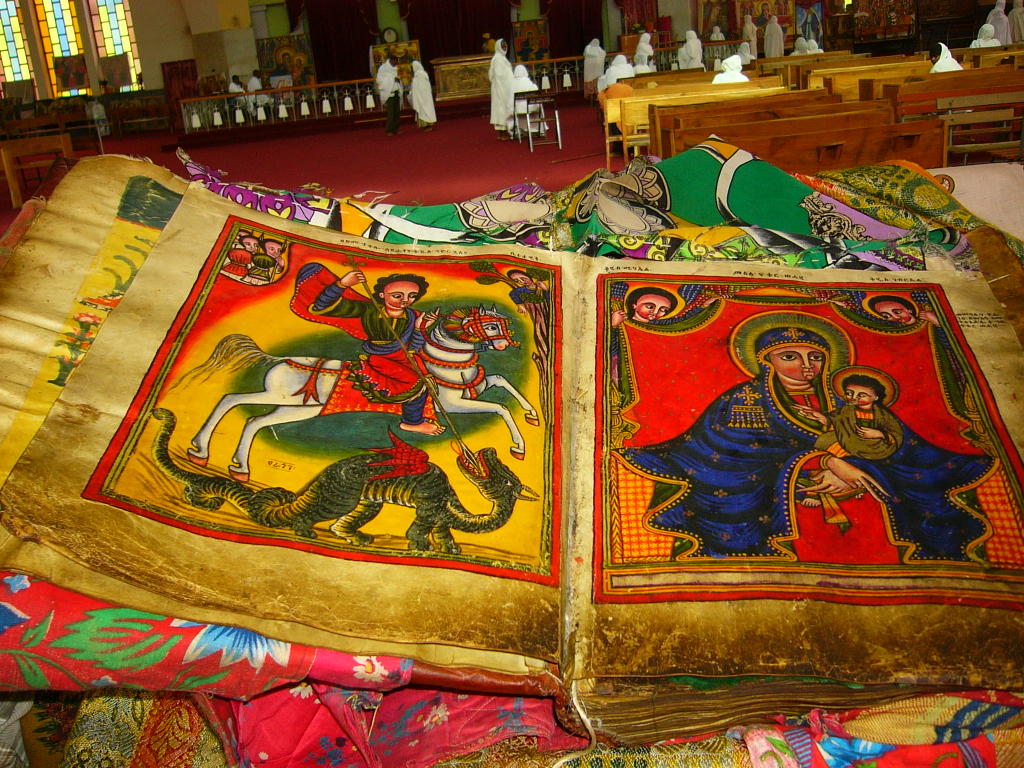
Also the "protector saint" or master of Catalonia is 'Sant Jordi', Saint George in English, a saint very important for the Ethiopian orthodox church. More about Sant Jordi tradition.

What is Catalonia?


Happy New Year 1998


Despite the title of this post may seem odd to Westerns (and for the rest of the world, probably), today September 11th. 2005 according to western calendar is 1/1/1998 for the Ethiopian calendar.
So it is the day to wish all Ethiopians a Happy New Year.

The Ethiopian calendar has 13 months: 12 of 30 days, and a last one of 5 or 6 days
Also there is a different type of time counting.
This contributes to make Ethiopia a unique country in the world.

Information about the Ethiopian calendar can be found here

Link to a useful calendar conversion (Find your birthday in Ethiopian calendar and get 7 years younger!!)


31.8.05


A great Spanish book about Ethiopia.
Full details at http://www.libreriaaltair.com/htmlNew/detalle.php?fr_cod_libro=LR990010001&fr_zona=&fr_materia=
or at www.editorialmarfil.com
Also available in English, and sold in Ethiopia, with the name "Touching Ethiopia".


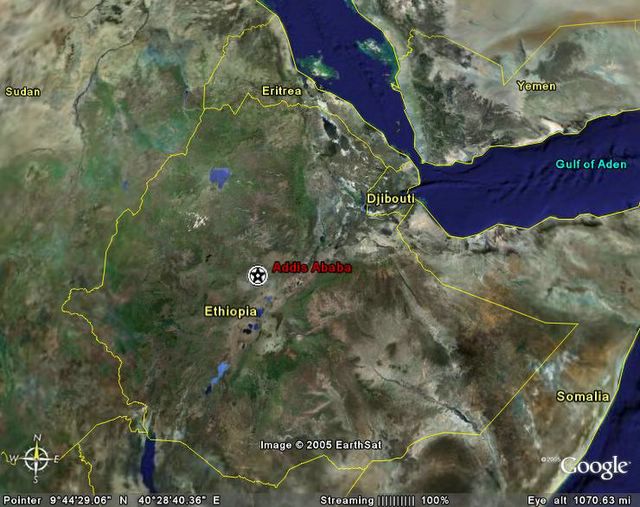
Ethiopia Satellite Images

I am posting some Satellite pictures of Ethiopia.
You can also see them using Google Maps service, at www.maps.google.com


Ethiopia Satellite picture Posted by Picasa


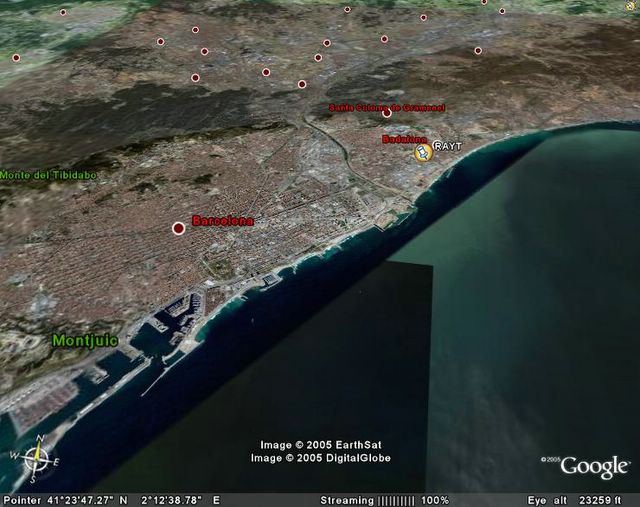
Barcelona, my hometown. Posted by Picasa


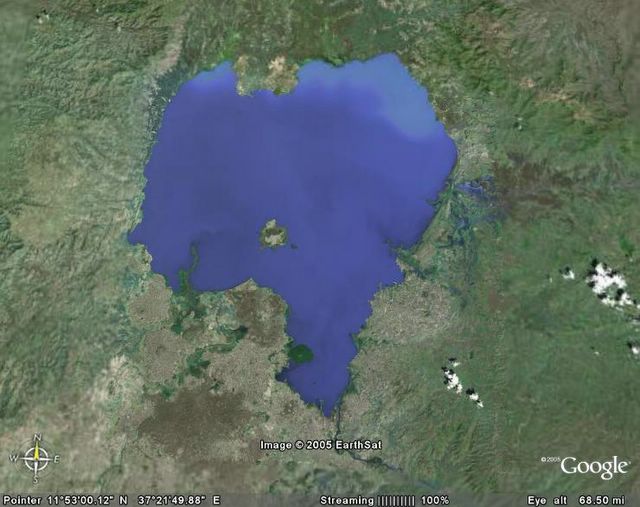
Bahir Dar from Satellite. South of Tana Lake. Posted by Picasa


Tana Lake from Satellite. Only from here you can see why they call it Blue Nile... Posted by Picasa


26.8.05

WELCOME TO MY BLOG

PLEASE, READ IT IN CHRONOLOGICAL ORDER. SCROLL DOWN TO THE FIRST POST, AT THE END OF THE PAGE.
 
LEER EL BLOG DE FORMA CRONOLOGICA, EMPEZANDO POR EL FINAL DE LA PÁGINA.
Para aquellos que no entiendan el Inglés, pueden obtener una traducción de la página de forma automática en el siguiente link: http://translate.google.com/translate?u=http%3A%2F%2Ffernandezdaniel.blogspot.com&langpair=en%7Ces&hl=en&ie=UTF-8&oe=UTF-8&prev=%2Flanguage_tools (aunque la traducción no es muy buena).


32. A message to our Ethiopian Friends


The main reason for this web is to say thank you to all our new friends in Ethiopia, and to share with them our impressions and pictures.

We will have a deep link with Ethiopia in the coming time, and this visit will be unforgetable for us for many reasons. But most of all for the excellent people we have found there.

To all of you, our warmest thank you


31. The Shirega family


In our last days in Addis we met the Shirega family, great people who made us feel like at home.

We hope they visit us in Barcelona some day to be able to return their kindness and hospitality.


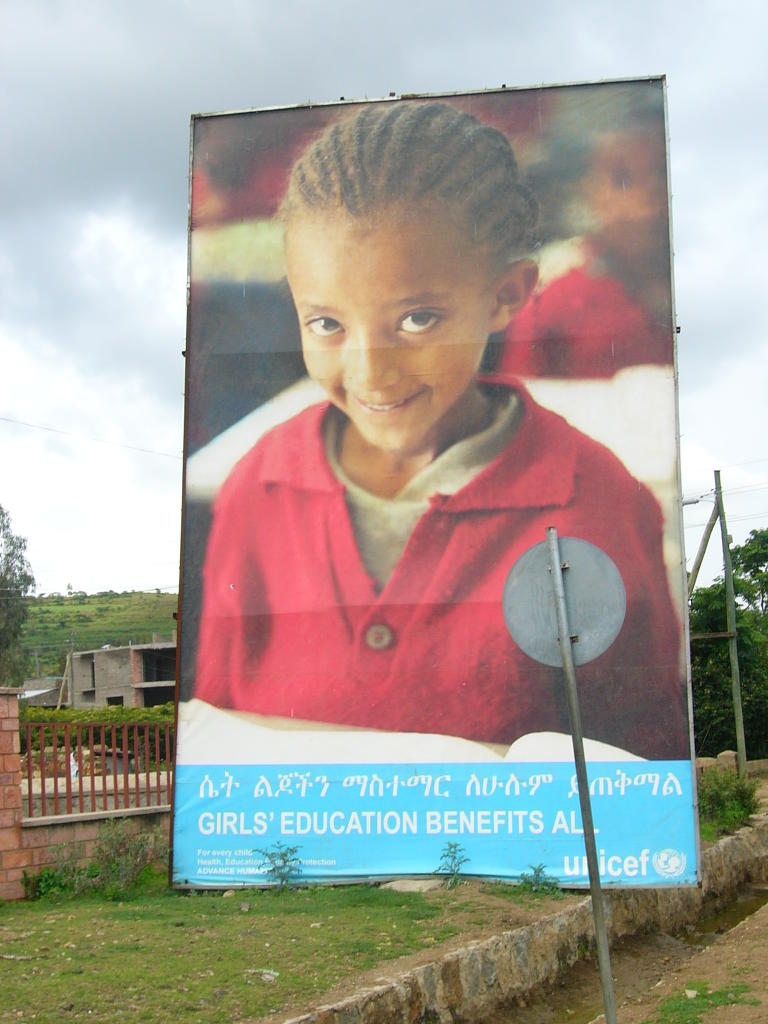
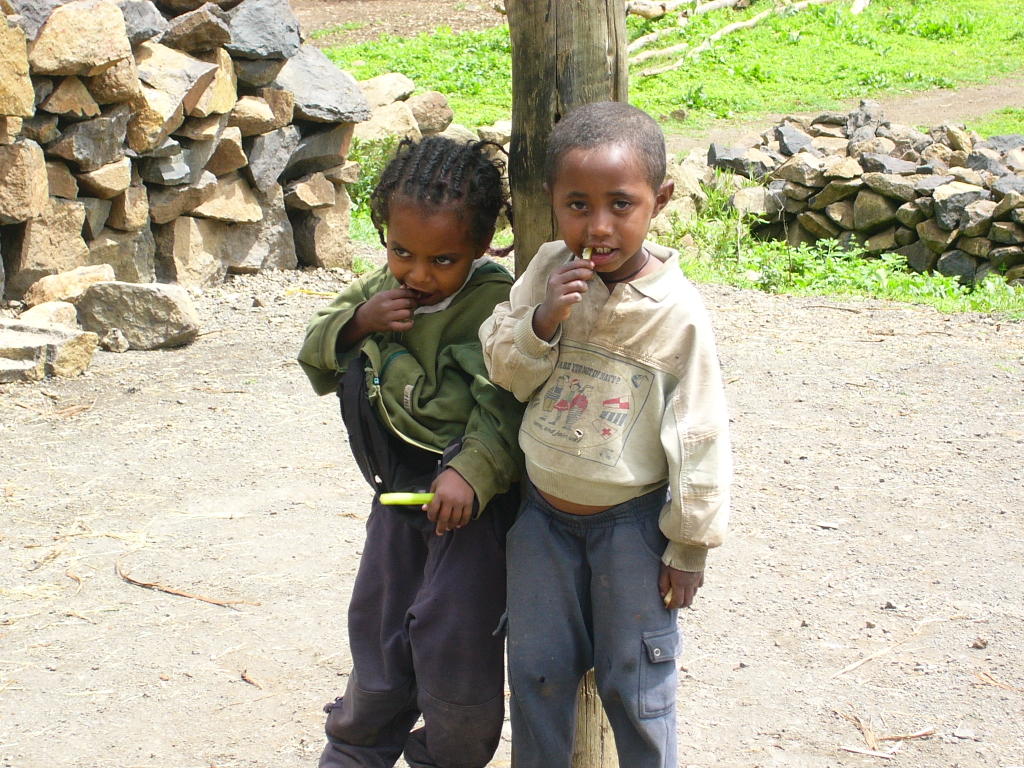
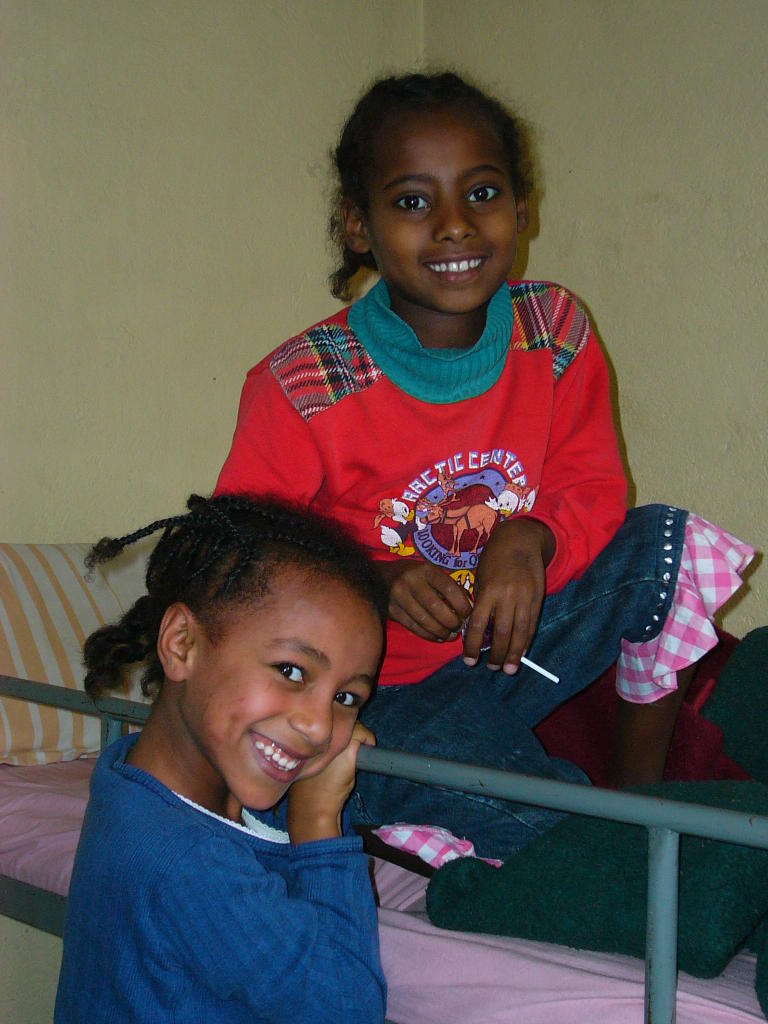
30. Children are the future (and the present)


44% of Ethiopia population is under 15 years.
So children are not only the future of the country, but also the present.

You can find everywhere in the country ads from UN about "Girl's education benefits all".
For us, definetelly Children where one of the top attractions of Ethiopia.


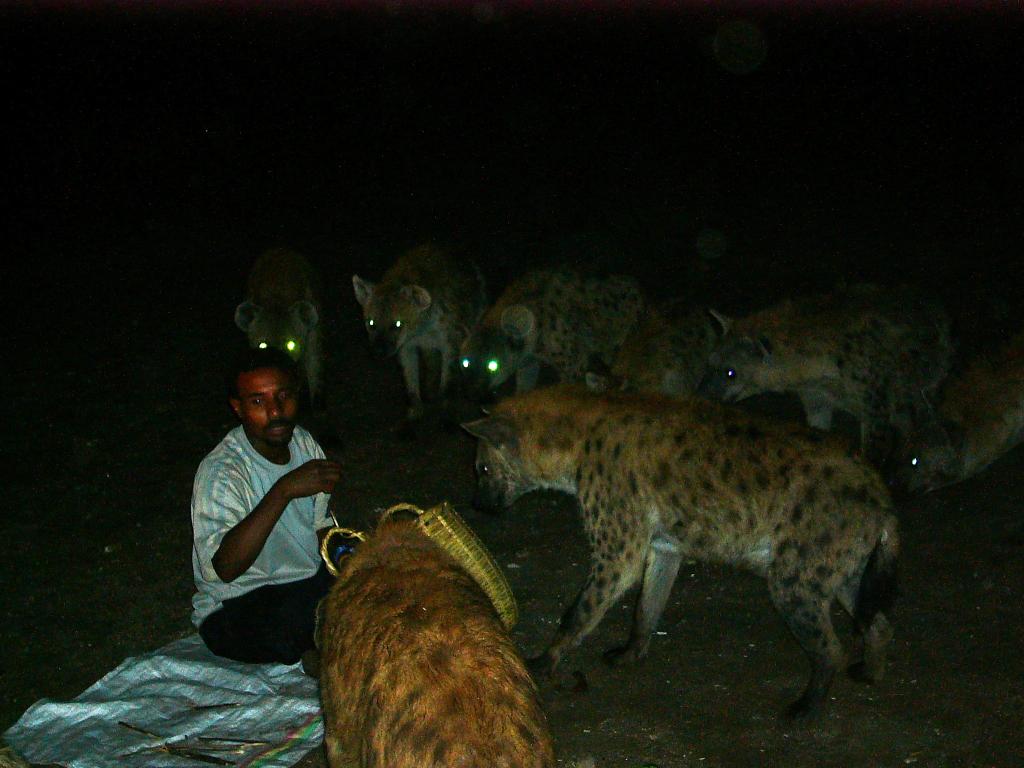
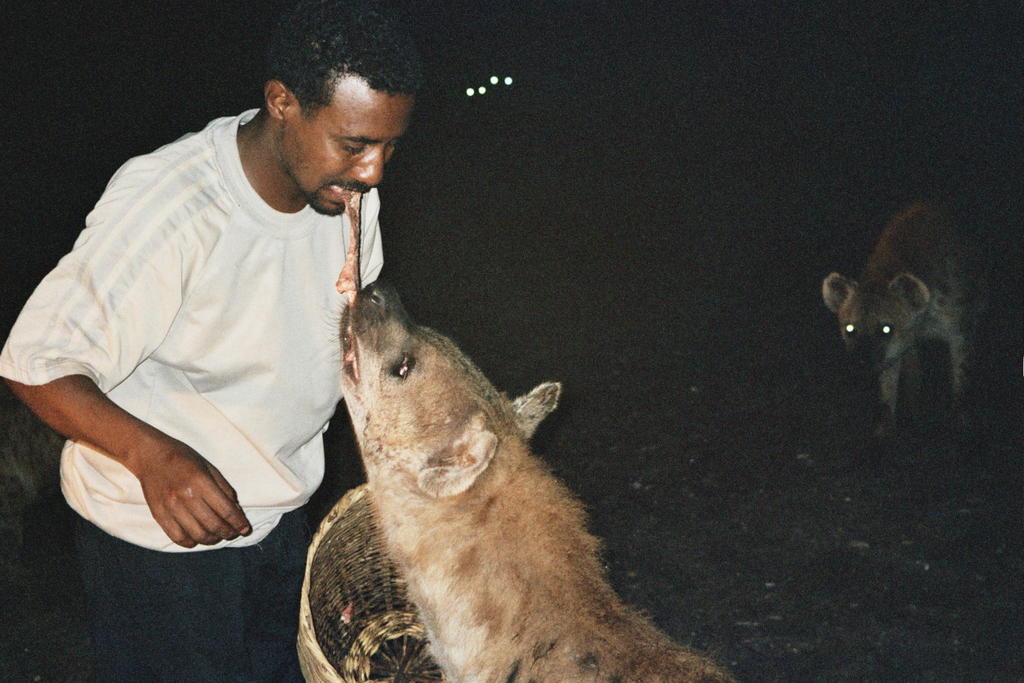
29. Hyenaman


Ok, like everything, you can approach this from two sides... You can say it is only one man dominating dogs by feeding them... or you can think about the risk and the excitement of the situation, when about 15 hyenas surround you while a man feeds them.

As usual, you should stick to the middle point, and after all it is a quite interesting spectacle.


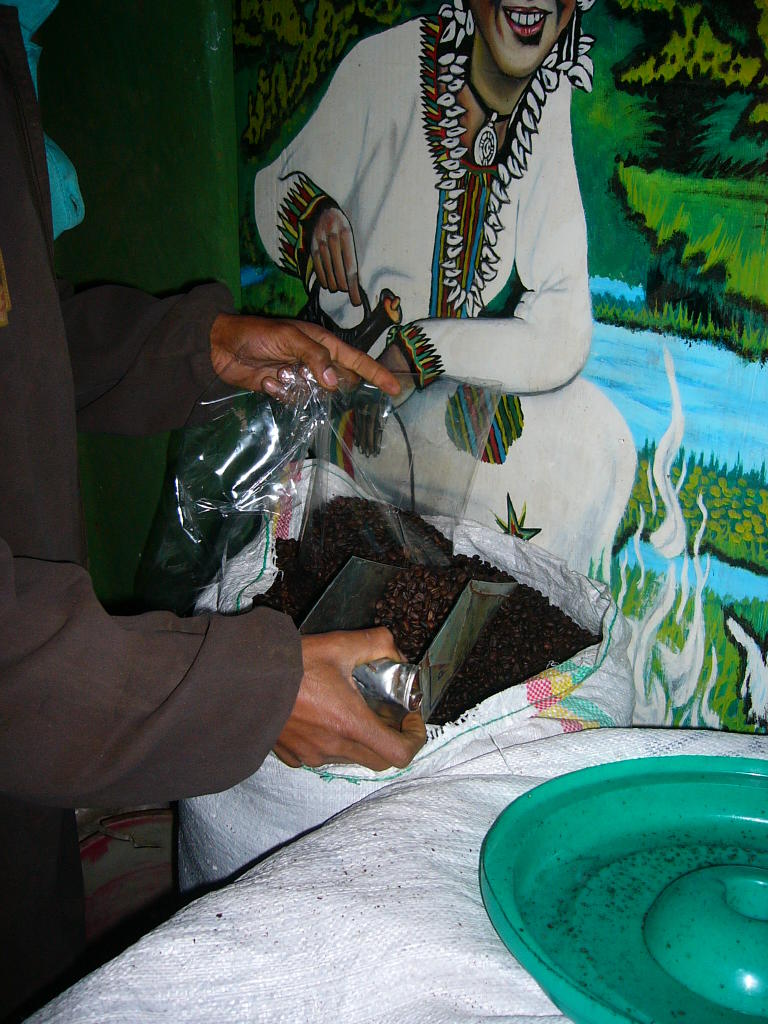
28. Harar Coffee

We had time to buy some coffee in Harar, directly in a roaster place.


27. Harar for Peace


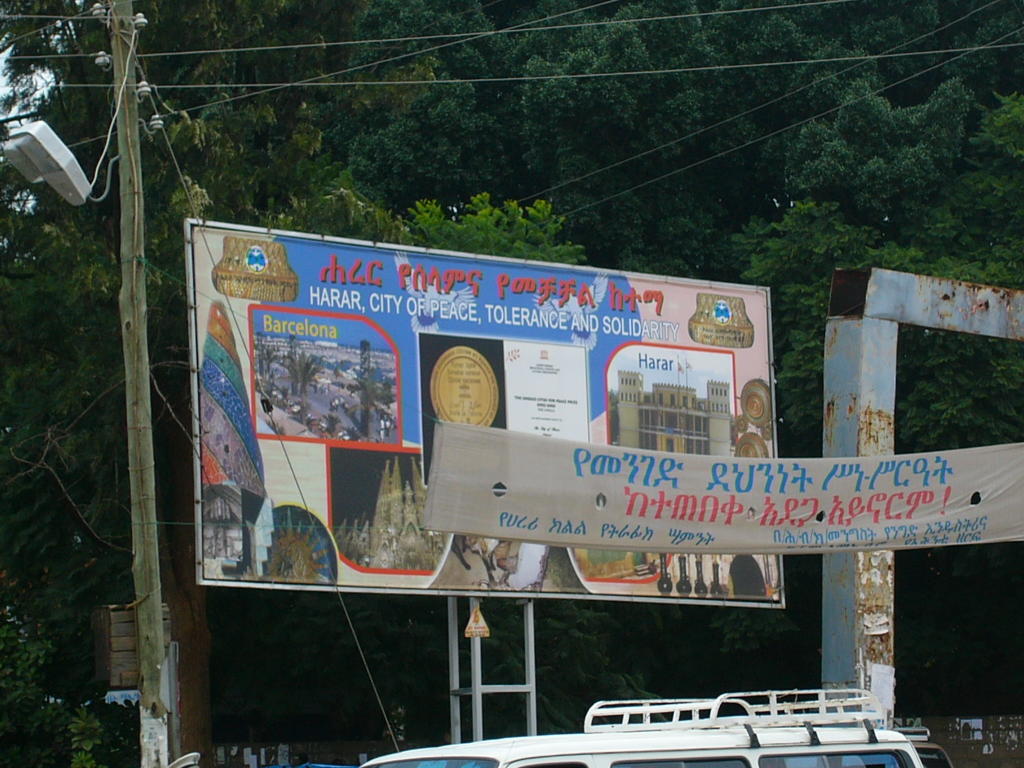
I was born in Barcelona, Spain. It was a surprise for us to see pictures of my city in Harar.
The reason is in the following news:

Walled City of Harar Wins Award

The walled city of Harar in the Eastern Ethiopia Region has won the 2004 United Nations Educational Scientific and Cultural Organization's (UNESCO) Cities for Peace Prize in an award ceremony held in Barcelona, Spain.

This biannual award, hosted by the Mayor of Barcelona, recognizes the initiatives of municipalities in creating a basis for peaceful coexistence.
This ancient city of Harar, capital of the HarariState, thus received a certificate and 20,000 Dollars in award.
The city won the prize from 55 nominee cities in Africa, city Mayor Zeidan Bekri told ENA. He said the award will be instrumental as support to the activities underway to see the city registered in UNESCO World Heritage list, he said. September 13, 2004 (ENA)


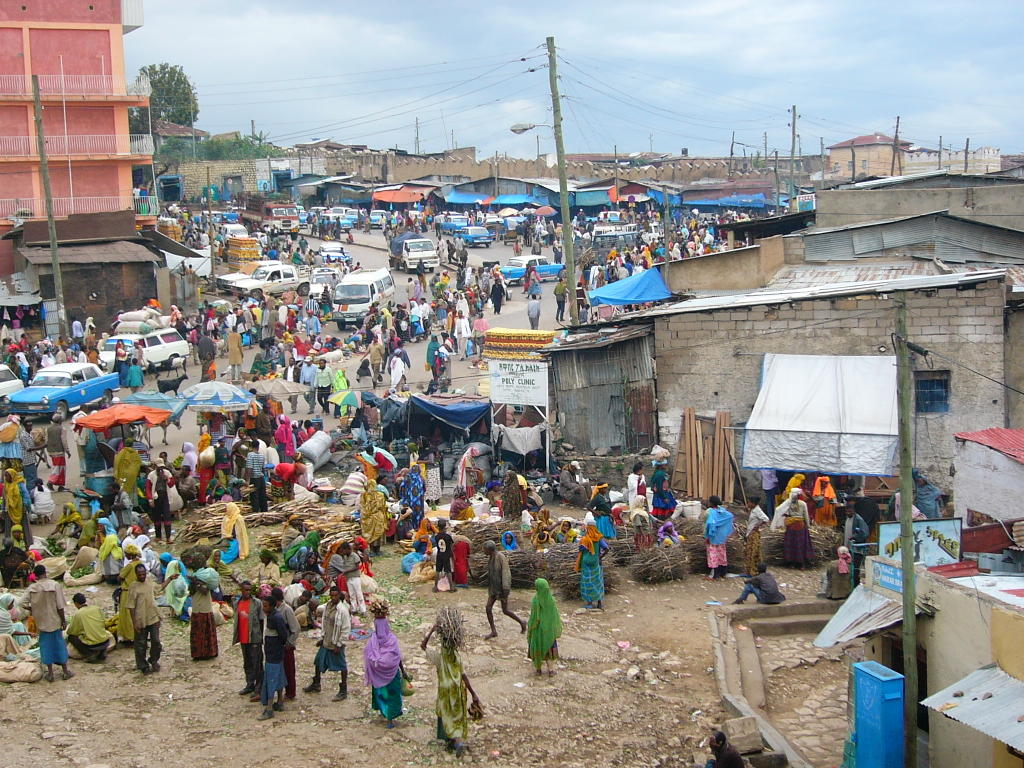
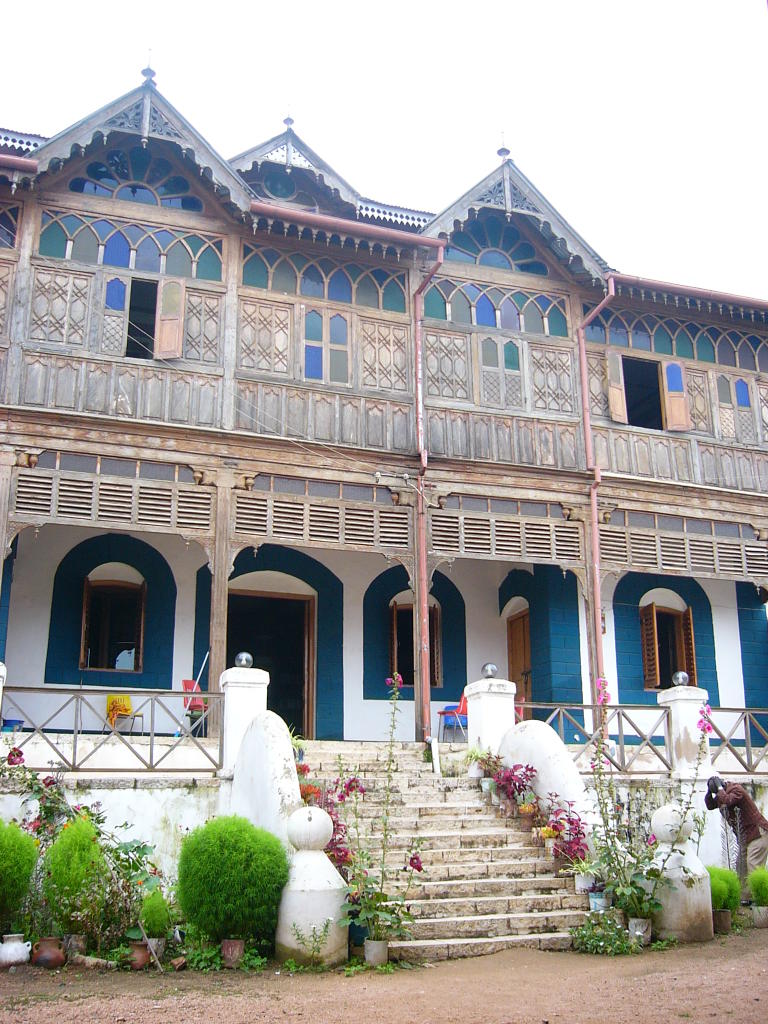
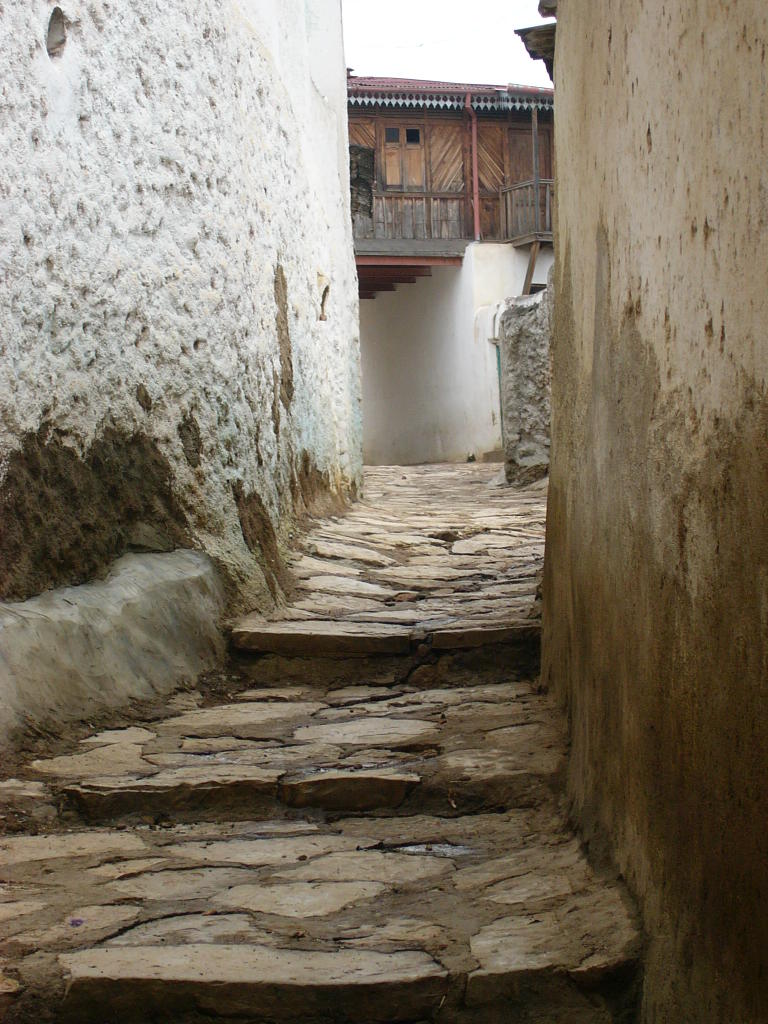
26. Harar: A different Ethiopia


Harar is on the East of Ethiopia, close to Djibouti and Somalia. There is no direct flight, so we went to Dire Dawa and then by car to Harar.

The main interest for us about Harar (besides the Hyena-man, see a later post) was to see a different Ethiopia, and to get another piece of the puzzle of different peoples that composes the country.

There is not much to see from the Historical or Architectural point of view. Harar is a busy city, where people is going to trade their goods, and do not care much about "faranji".


25. Back in Addis again: Yod Abyssinian Restaurant


Yod Abyssinia is a "typical abyssinian" Restaurant in Addis. Of course is the place to try Injera and despite being a Typical restaurant, there are also locals, so it is not one of those only-for-tourist places. There is life music and dancing...
Worth a visit.


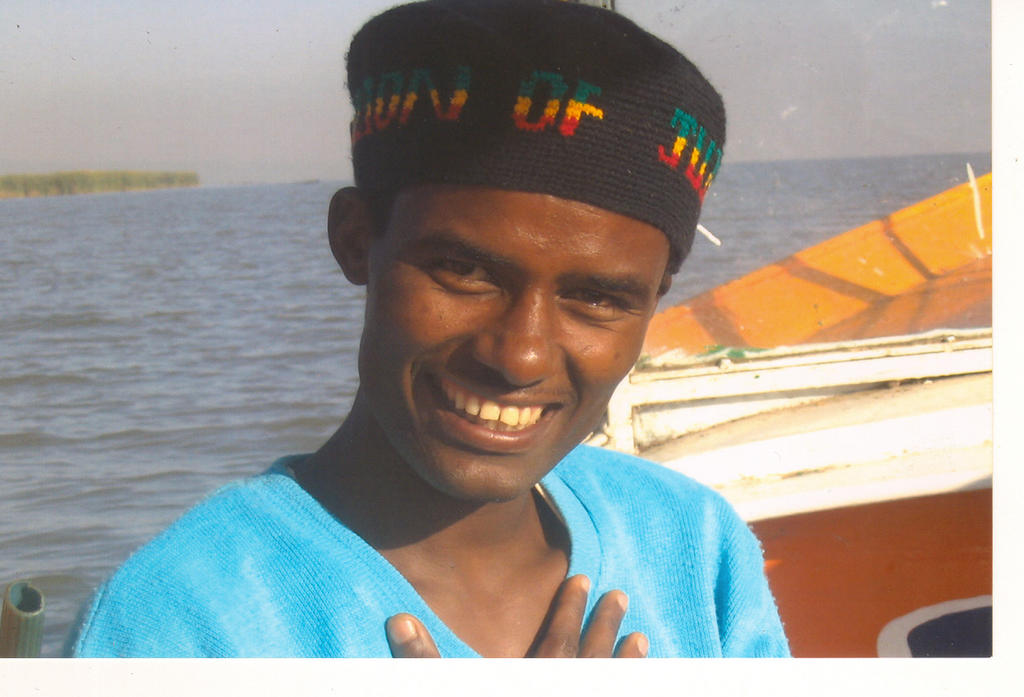
24. Our guide for Tana Lake


Mollatilahun is a young and funny guy who showed us the Tana Lake and the monastery. He promised to send us some nice emails.

I have received a new picture of him.
His contact details: Mollatilahun@yahoo.com


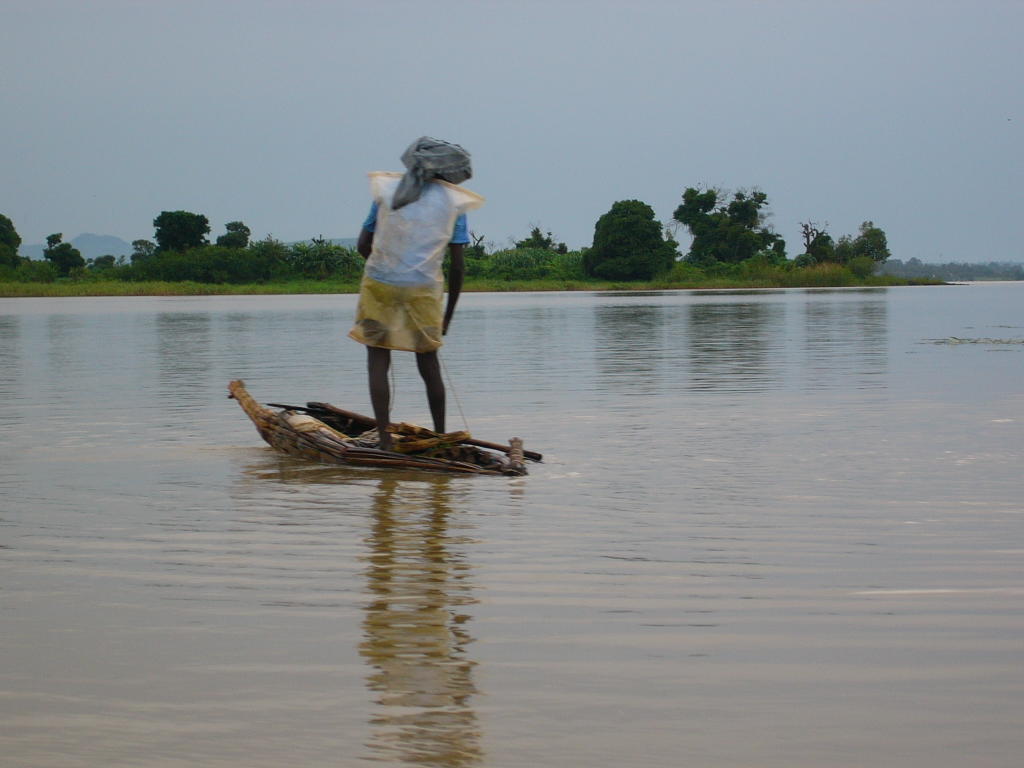
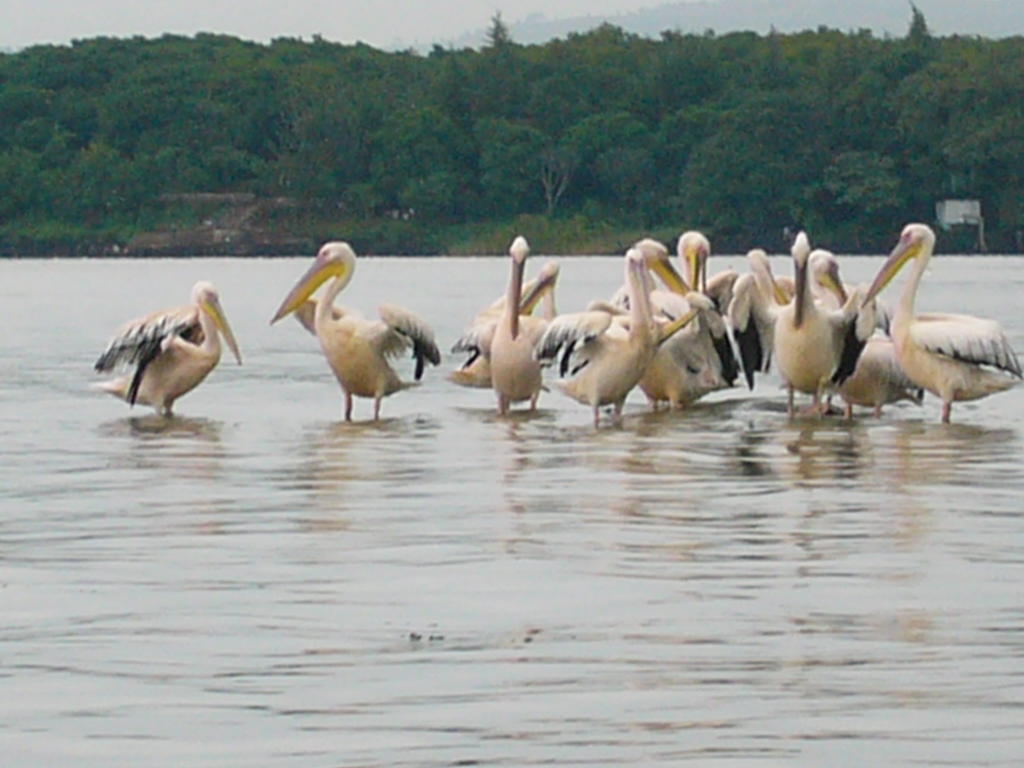
23. Tana Lake


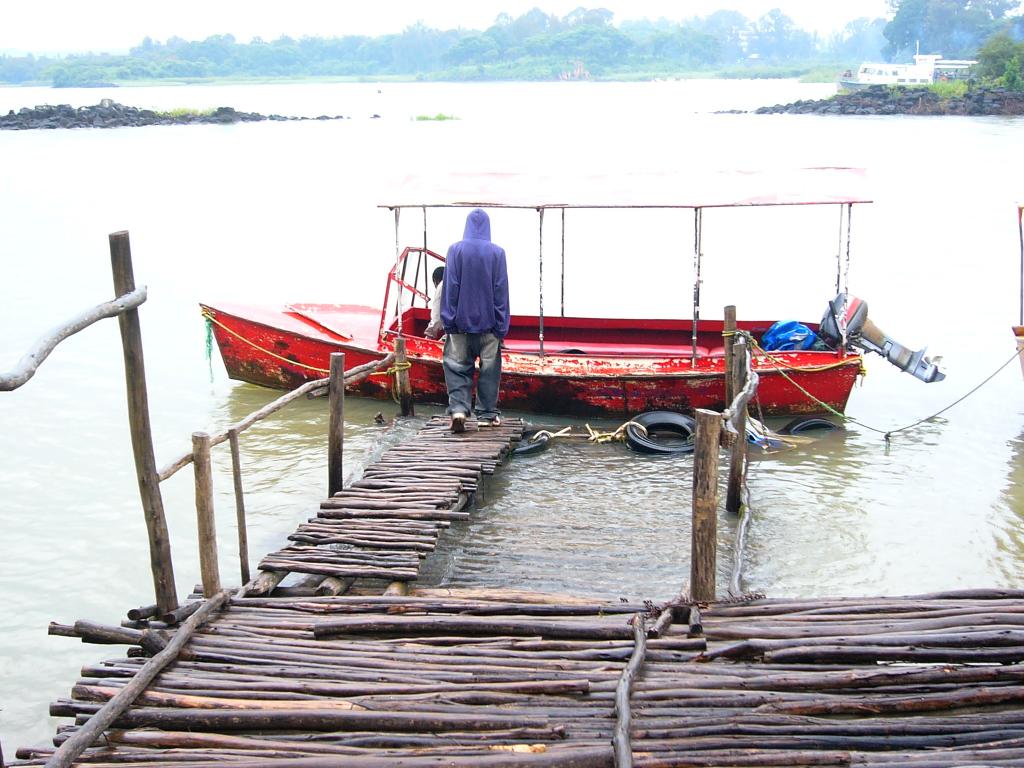
The Tana lake is a big piece of water, full of "pelicanos". An excursion on the lake is highly recomendable. We were takento a side of the lake by the owner of the boat, and we could see, from far away, the Hipo's.
Nice pictures with

After a ride of an hour we visited one of the 39 monasteries in the lake. They are nice, but too much disturbing people trying to sell you something broke all the magic.


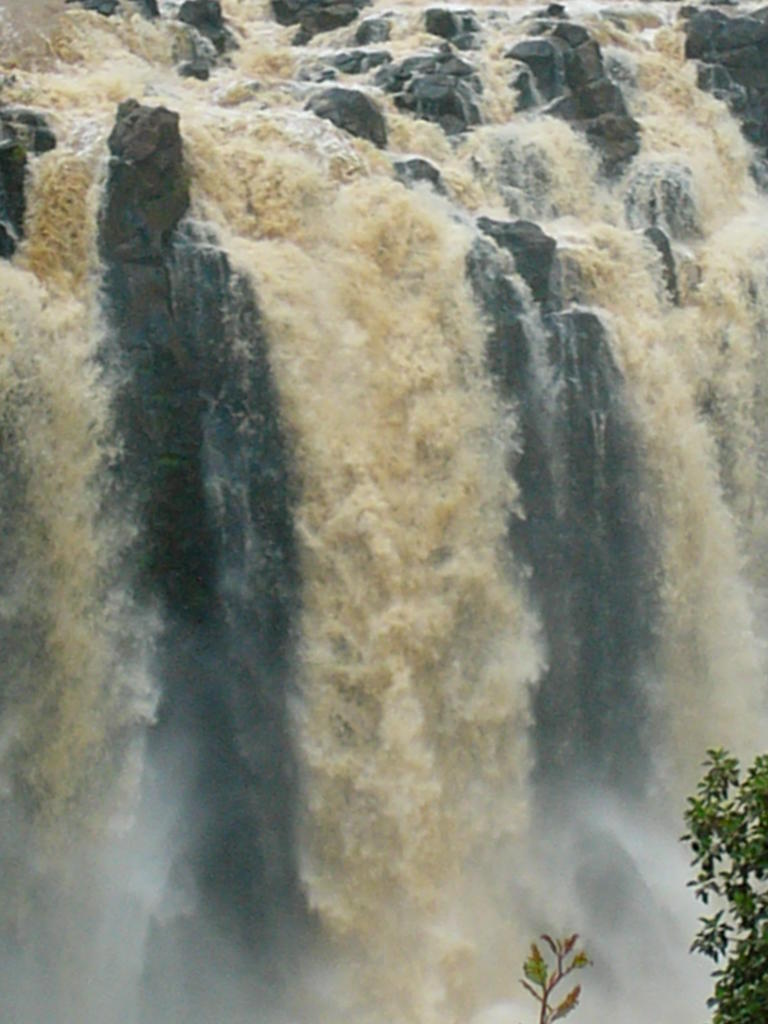
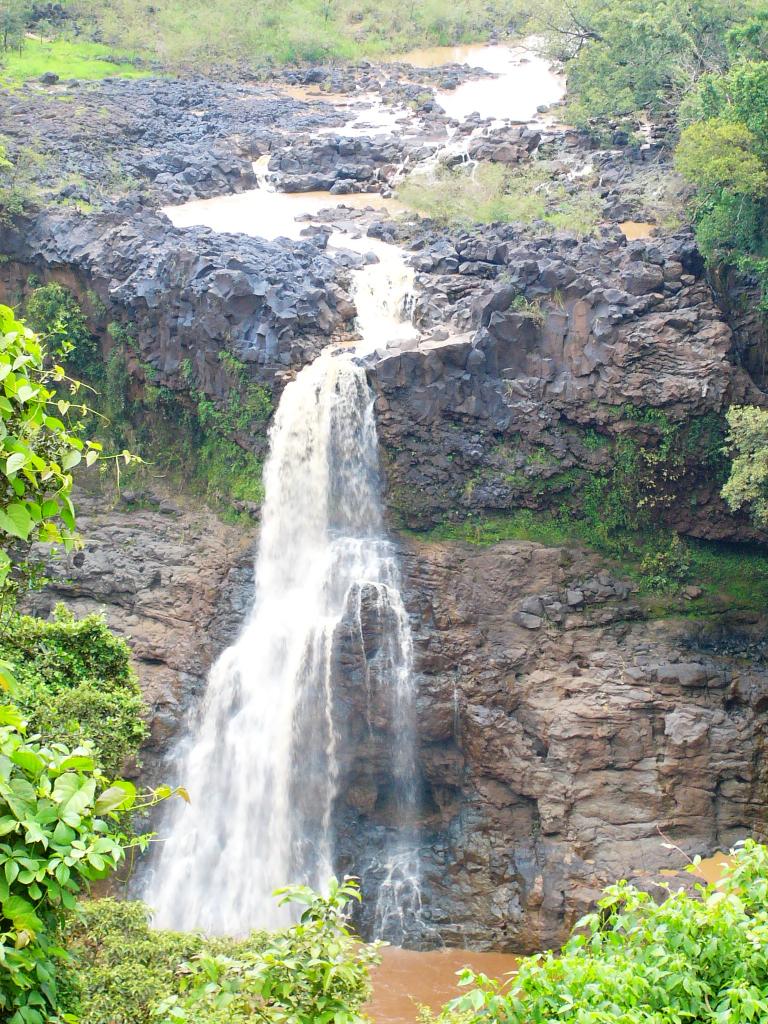
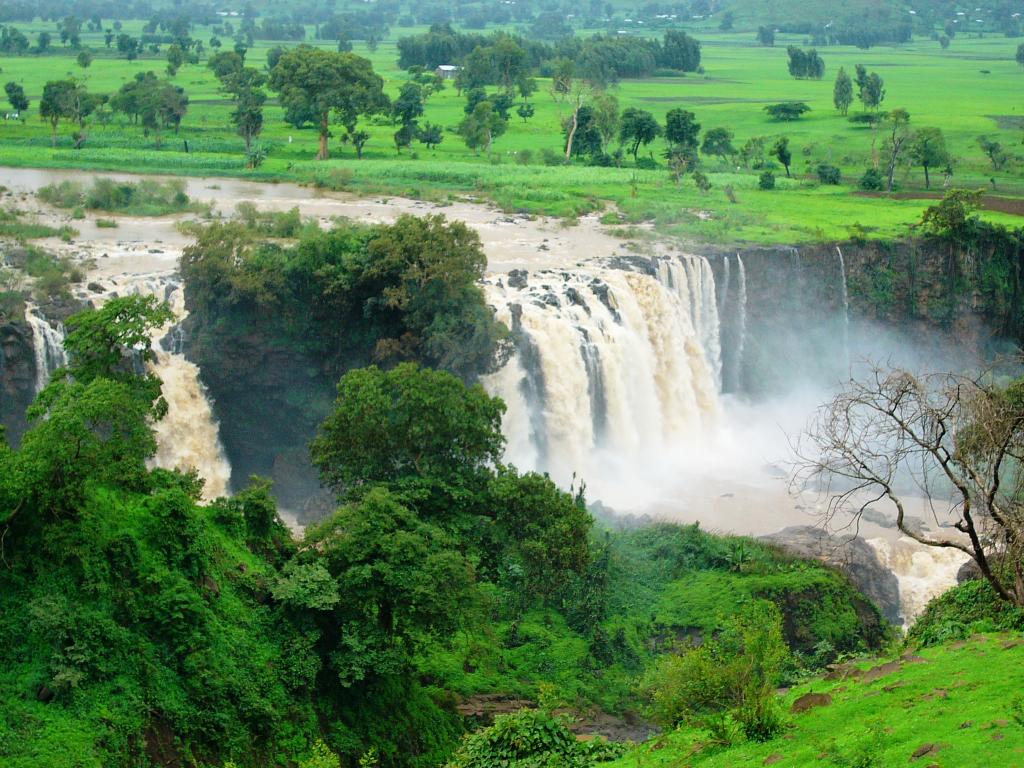
22. Bahar Dar: The Blue Nile falls


Bahar Dar is in the South edge of Tana Lake, one of the biggest in Africa.

From there to the Blue Nile Falls there is a 30 Km. drive on an ugly road.
The walk to the Falls is quite busy, plenty of boys offering you souvenirs make it difficult to walk, specially when there is rain.


But the place is worth a visit, despite the locals will tell you that it is not as spectacular as it was before they constructed the dam.


21. Other Gonder pictures


25.8.05

20. Gonder: Debre Birhan Selassie Church


It is an impressive church in Gonder, the only one surviving to the Sudanese invasion of the Dervish.
Mush, our guide, explained with high detail all the paintings. It is for sure a place to visit with a guide.
The link shows more pictures of the church.
http://www.photographersdirect.com/stockimages/birhan.asp


19. Our guide in Gonder


"Mash" was our guide in Gonder.
He speaks a perfect English and despite being very young he has an excellent knowledge of Gonder history. He also claims he is a good photographer, too.

Unfortunatelly I don't have his contact details.


24.8.05

18. Gonder: A lot like Camelot


On our 6th day at Eihiopia we arrived to Gonder, a city with a compound full of castles created in the Middle Ages, between centuries 14th & 15th. by a series of Kings of which the most known is King Fasilides.

More info at http://www.ethiopiatravel.com/Gondar_eng.htm


17. Debre Damo


After 3-4 hours of driving on very bad roads, we finally get to Debre Damo, from where one can see Eritrea. Debre Damo is a monastery on top of a flat hill. The only access to it is using a rope to climb about 15 m. Everything (from food to animals, or dead people) must go through that place.

It may look difficult to understand why one would like to run such a long way to go to a place and after all not run into the last 15 m... (in fact, our guide still didn't understood). But I prefered to be conservative.


16. Adwa: Non Dimenticare

Certainly not to forget, ADWA was the first African victory over an European army on March, 1st 1896.
Our guide took us to visit the scenery of Adwa battle, a milestone in Ethiopia independent history.

It is nice to see that, despite that war and the Mussolini-Graziani invasion, there is no bad feelings in Ethiopia against the Italians.

More info at: http://rastaites.com/Ethiopia/adowa.html


15. The Ark of the Covenant

Another of the attractions of Axum is the religious compound that is supposed to host the Ark of the Covenant, that King Melenik brought from Israel.
Tesfay, our guide, talked to me about a book on this subject, and I have founded it.
It is very interesting and readable. You can find it at Addis airport, as well as using the Internet.

Image of the compound where the Ark of the Covenant is supposed to be held. Only one person is allowed to enter there. We could see him, but he is not friendly to "faranji", so we could not chat to him...


14. Axum pictures.


13. Our guide in Axum


We were 3 days in Axum and Ato. Tesfay Berhane was our guide there.
He was a lovely person and understood all our needs. He explained everything about the historical sights, and took us to Adwa and the monastery of Debre Damo.


His contact details are:
TESFAY BERHANE
P.O.Box 68
Axum - Ethiopia
Tel. +251 4 752381 / 752564 / 752379
E-mail: tesfayaxum@yahoo.com


12. The Aksumite civilisation


Axum is the oldest historical city in our visit.
The Aksumite civilisation is back to 4th. Century Before Christ, and the type of archeological findings are very impressive, even compared to those in Egypt.
Much is left to unearth, and we are sure in the coming decades the new findings will surprise the world and enrich the Ethiopian heritage.

Unfortunatelly we have found many tourist coming to Ethiopia are not visiting Axum (because it is too far north or because the Ethiopian- Eritrean situation).
We recommend everybody visiting the Historical route not to miss Aksum.


More information on Aksumite civilization at http://www.metmuseum.org/toah/hd/aksu/hd_aksu_1.htm


11. Second Stop: Axum


After our first stop in Lalibela, we took a flight from Ethiopian Airlines to Axum, on the very north of the country, close to Eritrea.


10. Lalibela pictures (2)


9. Lalibela pictures


A selection of pictures taken in Lalibela.
We have more than 250 only in that place, so it is hard to choose...


8. Our guide in Lalibela


Ato. Abebe Demsash (left) has been our guide for Lalibela.
His wide knowledge of the area, and all the secrets about the different church were impressive. And his English was perfect.

Highly recomendable person.
The day after leaving Lalibela we recommended him to an Italian-Ethiopian couple.

His contact details are:
Abebe Demsash - Tour guide
Italian and English speaker
Tel. +251 3 360306
+251 3 360076
P.O.Box 48, Lalibela (Ethiopia)
E-mail: abebed@yahoo.com


7. Our lalibela host


Ato. Cheru Abebe was our host in Lalibela. He organised our Hotel, Guide and Transfers.
He is an enterprising person.


6. Lalibela: History "on the rocks"

We are experienced travelers, and we have been in more than 30 countries in the 5 continents. But in Lalibela we were surprised by some sites we didn't expected. It was amazing for us that such an impresive buildings where unknown for us.
This site is listed in the UNESCO World Heritage List since 1978.
More information at: http://en.wikipedia.org/wiki/Lalibela


23.8.05

5. Our first guides


Our guide and driver in Addis, showed us the Museums, the Entoto mountain and church, the Palace,... and also introduced us to the excellent Ethiopian Coffee, at the Tomoca (Addis, near the Piazza).
Two great persons.


4. Kidan Ghiorgis


Kidan Ghiorgis (right), owner of Discover Abyssinia tour operator.
Despite she was concerned for some family affairs, she was always following each step of our trip.
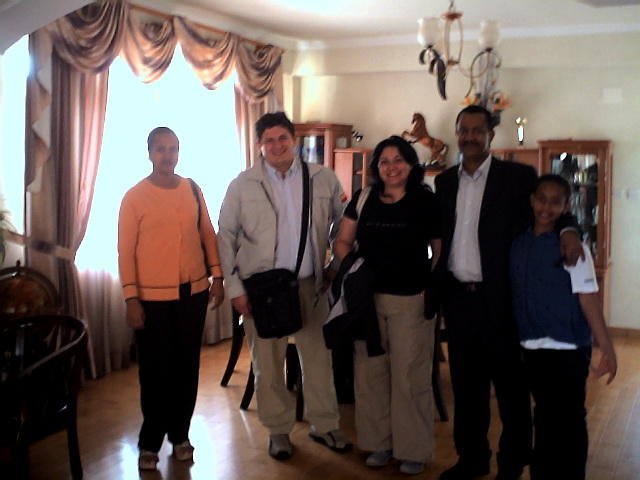
In this picture, taken at Yod Abyssinia Restaurant, she teached us on Injera. We also enjoyed a nice conversation about those talkative kids.
Thanks for your service, Kidan!


3. Our trip to Ethiopia - August 2005

In this post you will find a map about our Route in Ethiopia.
We have concentrated our visits in the North, the so-called "Historic Route": Lalibela, Axum, Gonder, Bahar Dar with a side trip to Dire Dawa and Harar to get some feeling of a different Ethiopia.
We have also spent several days at Addis, the capital of the country.


2. About Discover Abyssinia


We have selected DISCOVER ABYSSINIA as our tour operator for this trip, following the advise of Alula Abraham.

Discover Abyssinia is managed by Mrs. Kidan Ghiorgis, of whom more information will be found in a later post.
She organized for us a tailor-made trip covering the North and the East of the country.
The main difference between this option and the typical crowded tourist groups is that we could take the most of every visit, having one guide and one car only for us. We fixed the schedule according to our interest and situation.

The organisation was excellent and we enjoyed every minute of our trip (as you will see).

Contact details of Discover Abyssinia are:
Discover Abyssinia
Travel & Tours Operating
P.O.Box 6454 or 1253
Addis Ababa-Ethiopia
Tel: 00 251 1 63 30 82
00 251 9 23 66 59
E-mail :
fgiorghis@ethionet.et
dabyssinia@ethionet.et


1. Why Ethiopia for our holidays?

Ethiopia was choosen by my wife Mayte and me for our Summer holidays in 2005. There were a number of reasons for that:

  • We are in process of adoption of an Ethiopian child, and we wanted to know the country and the culture of our future son/daughter.
  • The historical and natural interest of Ethiopia.
  • The kindly insistence of my friend and business partner Alula Abraham to visit his homeland.

The purpose of this BLOG is to exchange with our friends from Spain and Ethiopia some impressions about our trip, and some pictures we have taken.


Full List of Previous Posts

MYSTERY OF THE (Blue) NILE
Lalibela or The Dream of the "Bee King"
... or not improving: Lessons from KOREM
ETHIOPIA Improving against poverty...
About adoptions in Ethiopia
11 Sept: A link between Ethiopia and Catalonia
Happy New Year 1998
Ethiopia Satellite Images
WELCOME TO MY BLOG
32. A message to our Ethiopian Friends
31. The Shirega family
30. Children are the future (and the present)
29. Hyenaman
28. Harar Coffee
27. Harar for Peace
26. Harar: A different Ethiopia
25. Back in Addis again: Yod Abyssinian Restaurant
24. Our guide for Tana Lake
23. Tana Lake
22. Bahar Dar: The Blue Nile falls
21. Other Gonder pictures
20. Gonder: Debre Birhan Selassie Church
19. Our guide in Gonder
18. Gonder: A lot like Camelot
17. Debre Damo
16. Adwa: Non Dimenticare
15. The Ark of the Covenant
14. Axum pictures.
13. Our guide in Axum
12. The Aksumite civilisation
11. Second Stop: Axum
10. Lalibela pictures (2)
9. Lalibela pictures
8. Our guide in Lalibela
7. Our lalibela host
6. Lalibela: History "on the rocks"
5. Our first guides
4. Kidan Ghiorgis
3. Our trip to Ethiopia - August 2005
2. About Discover Abyssinia
1. Why Ethiopia for our holidays?